 MoonGyeol
Depression
Can be a primary consideration for depression with persistent low mood, lack of energy, and reduced motivation, or that hasn't responded sufficiently to existing medication.
Transcranial Magnetic Stimulation
Stimulating specific neural circuits in the brain to support recovery of the mind.
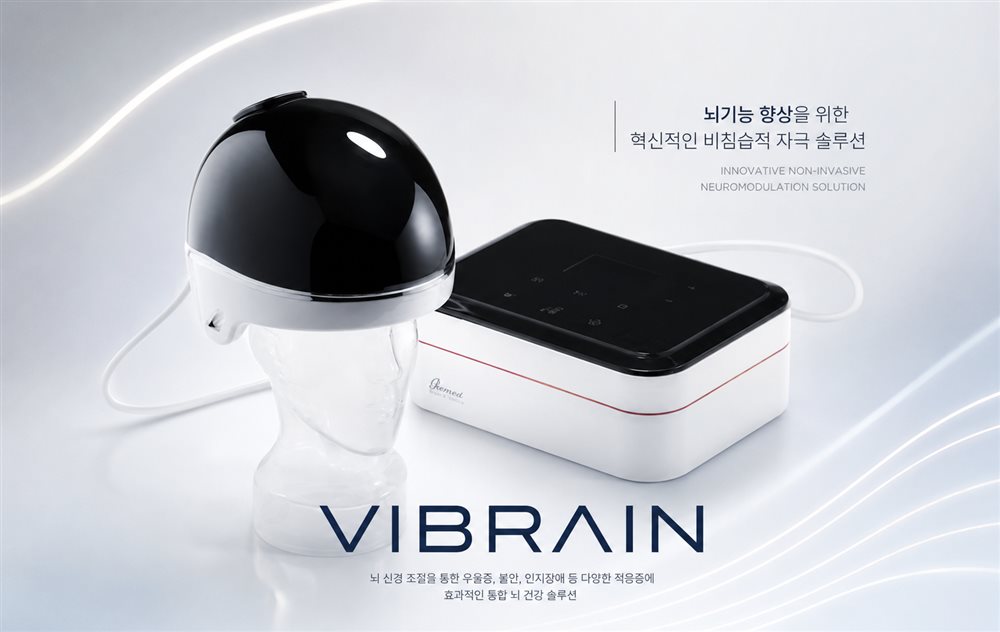
TMS (Transcranial Magnetic Stimulation) is a non-invasive brain stimulation treatment that uses a strong magnetic field to repeatedly stimulate specific regions of the brain.
The magnetic field generated by a coil positioned near the scalp passes through the skull and reaches the cerebral cortex, regulating the activity and excitability of nerve cells.
It has long been studied particularly for depression treatment, and can be considered as another treatment option when medication alone isn't achieving sufficient effect.
TMS is applied with different stimulation sites and methods depending on symptoms and treatment goals.
Can be a primary consideration for depression with persistent low mood, lack of energy, and reduced motivation, or that hasn't responded sufficiently to existing medication.
When symptoms haven't improved sufficiently despite several antidepressant treatments, TMS can be considered alongside medication.
TMS treatment for OCD has also been studied, and its therapeutic potential can be reviewed depending on the patient's symptoms and treatment situation.
For persistent excessive tension and anxiety, it can be applied as a supportive treatment considering the neural circuits related to the symptoms.
When insomnia or reduced sleep quality appears together with emotional tension or hyperarousal, TMS can be considered as part of the overall treatment plan.
When reduced concentration or brain fog appears together with depression, anxiety, or sleep problems, the cause is evaluated first before reviewing treatment options.
TMS is not a standard treatment for ADHD itself, but brain stimulation research into attention and executive function is underway. Where appropriate, its supportive potential can be reviewed with the medical team, centered on existing medication and non-drug treatment.
The treatment coil generates a brief, repeated magnetic field.
The magnetic field reaches the cerebral cortex, affecting the activity and excitability of nerve cells in that region.
The brain doesn't work as independently operating regions but as an interconnected network. So repeatedly stimulating a specific area helps regulate the neural circuits related to mood, anxiety, impulse control, and cognitive function.
With TMS, repeating treatment at regular intervals matters more than a single session. A key principle of treatment is inducing neuroplasticity — changes in the responsiveness and connectivity of neural circuits — through repeated stimulation.
At MoonGyeol, we don't think of TMS simply as “a treatment where a coil is placed against the head to stimulate it.”
That's because your tension level and surrounding environment during treatment can also affect the treatment experience.
MoonGyeol's TMS treatment space is designed with visual and auditory stimuli during treatment so you can stay comfortable and focused.
We provide an environment where you can experience relaxing video and sound while receiving TMS, so the treatment session itself becomes a time to lower tension and rest.
Considering both a treatment that stimulates the brain and an environment that makes the body and mind comfortable.
This is the difference MoonGyeol brings to TMS treatment.
Checking your current symptoms, diagnosis, response to prior treatment, and current medications.
Depending on symptoms and treatment goals, necessary tests such as QEEG are performed and a treatment plan is set.
The stimulation site, intensity, and treatment method are decided based on the patient's condition and treatment goals.
While comfortably seated, the treatment coil is positioned over the target area and magnetic stimulation is delivered.
Any discomfort, headache, or dizziness is checked and reflected in the plan for the next session.
The length of a single TMS session can vary depending on the treatment purpose and the stimulation method used.
Treatment is generally repeated over multiple sessions, and the number of sessions for each individual is adjusted while checking changes and response during treatment.
At MoonGyeol, rather than applying the same number of sessions uniformly to every patient, we decide the treatment plan based on the diagnosis, severity of symptoms, and treatment response.
During treatment, you may feel a light vibrating or tapping sensation and sound as the magnetic field is generated.
The sensation of stimulation can vary by individual, and most people receive treatment comfortably seated.
TMS is a non-invasive treatment performed without incisions or anesthesia.
However, because it uses a magnetic field, the following are always checked before treatment.
Please accurately inform the medical team of your medical history and current medications before treatment.
Q. Do I need to stop taking medication if I get TMS?
No. Starting TMS does not mean you should stop any medication you are taking on your own. You can continue your current medication while combining it with TMS, and whether to adjust medication is decided through consultation.
Q. Is one session of TMS enough to see an effect?
Because TMS induces change in neural circuits through repeated stimulation, multiple sessions are generally needed. The number and interval of sessions depend on symptoms, treatment goals, and treatment response.
Q. Does it hurt a lot during treatment?
You may feel a tapping sensation or sound on the scalp during treatment. Discomfort often decreases as you get used to the stimulation.
Q. Can I receive other treatments while getting TMS?
Yes. You can continue current treatments such as medication or counseling while combining them with TMS. At MoonGyeol, we also review, as needed, the possibility of combining TMS with a treatment environment that supports relaxation and other non-drug treatments such as Biofeedback and PBM, based on the patient's condition and treatment goals.
Q. What if I feel tense or anxious during TMS treatment?
At MoonGyeol, we design the treatment space itself to be comfortable, using visual and auditory input during treatment to help lower tension and help you stay at ease. Making treatment time not just a time to receive stimulation, but a time to set tension aside and focus on recovery, is something MoonGyeol considers important.
We'll look at your diagnosis and treatment history together and advise on whether TMS is an appropriate treatment.