 MoonGyeol
Anxiety and tension that won't ease
Frequent worry with ongoing body tension, or physical tension such as a racing heart and changes in breathing
Biofeedback
Understanding your body's signals, and learning to regulate them yourself
Under stress, your heart beats faster, your breathing changes, and your body tenses up.
When these physical changes happen repeatedly, tension can become difficult to release, leading to anxiety, sleep difficulties, and fatigue.
Biofeedback is training that lets you check your own physiological signals — heart rate, heart rate variability (HRV), EMG, and EEG — in real time, while learning to regulate your body's tension and arousal through breathing and relaxation.
At MoonGyeol, we go beyond simply checking physiological signals: we build Biofeedback treatment around a comfortable environment that uses visual and auditory input, so you can repeatedly practice relaxation and self-regulation.
Frequent worry with ongoing body tension, or physical tension such as a racing heart and changes in breathing
Body and mind worn down by ongoing stress, with tension that doesn't release even after resting
Racing thoughts and body tension at bedtime that make it hard to fall asleep
Anxiety accompanied by repeated physical responses such as a racing heart, breathing changes, and muscle tension
If meditation or relaxation is hard to try on your own, or you want to train systematically while checking your own physiological state
You practice comfortable, stable breathing while regulating its rate and pattern.
You train to observe and regulate your own physiological responses while checking changes in heart rate variability (HRV) in real time.
You practice lowering muscle and physical tension, shifting from a tense state into a comfortable one.
You practice using breathing and focused attention to observe your current state and lower mental tension.
Checking your physiological signals, experiencing relaxation, and practicing self-regulation
Checking current symptoms and stress/sleep status.
Checking HRV and physiological status.
Breathing and Biofeedback training tailored to the individual.
Practicing a shift into a comfortable state using visual/auditory stimuli and relaxation/meditation.
Checking changes during training and treatment progress.
Biofeedback training experienced in a VR environment
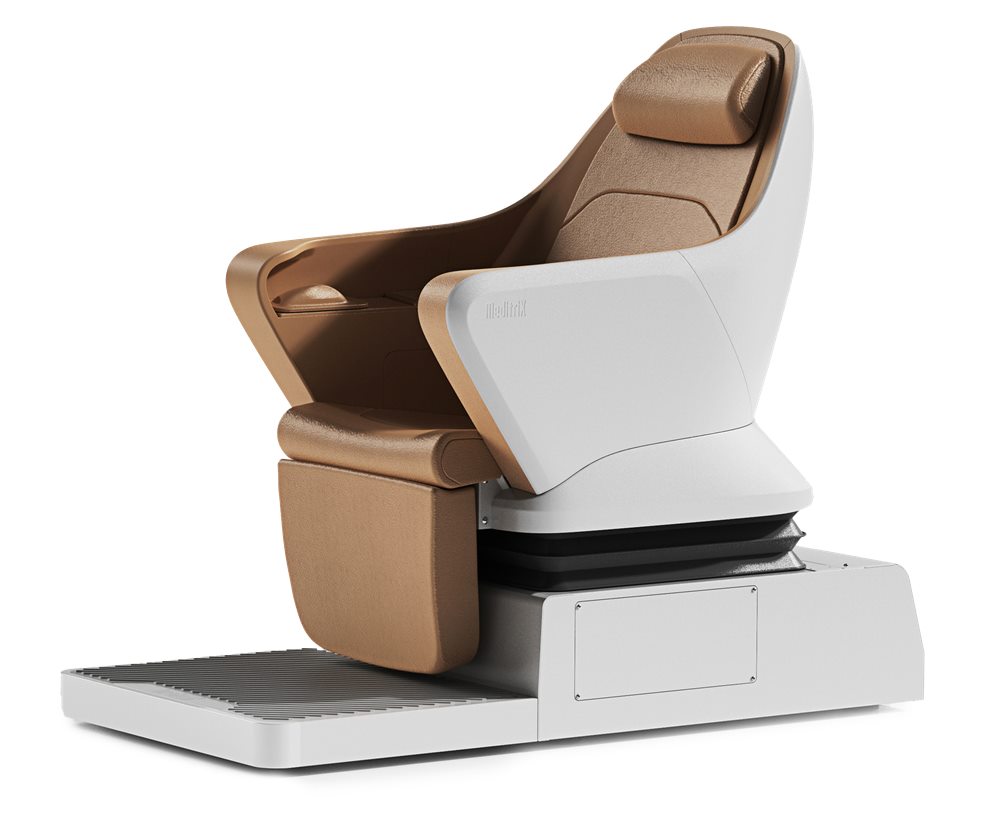
At MoonGyeol, we use the Mind Chair for Biofeedback training.
Mind Chair is a VR-based neurobiofeedback system designed to let you train relaxation and self-regulation while checking changes in your physical state in real time, using physiological signals such as heart rate, heart rate variability (HRV), EEG, and EMG.
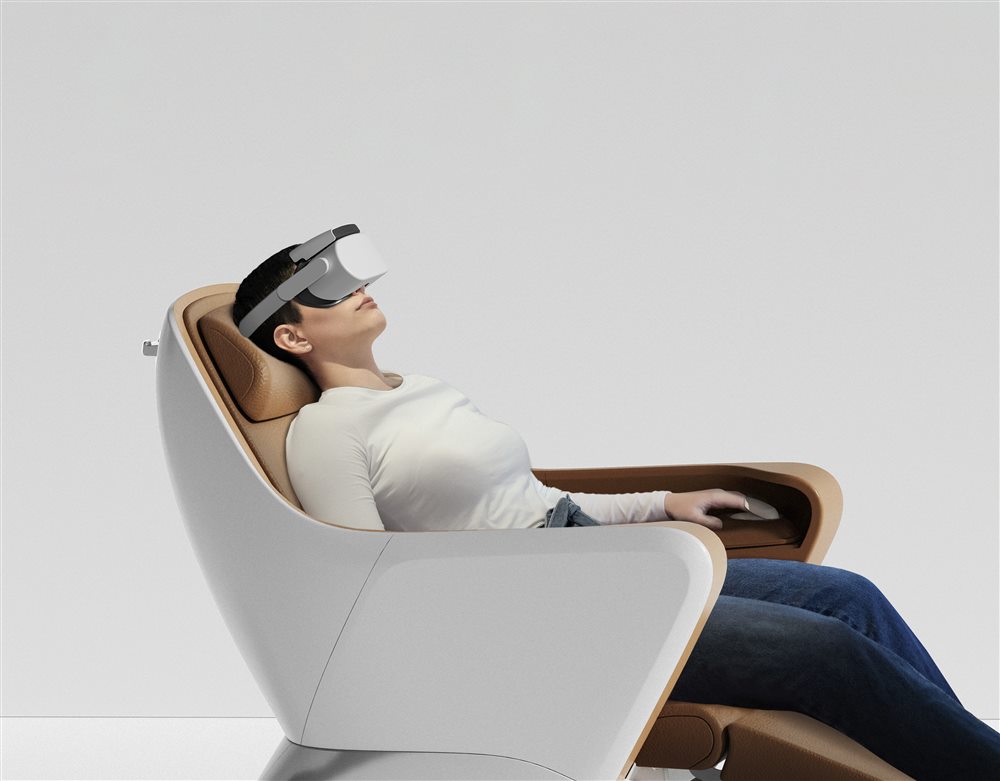
VR stands for Virtual Reality — a technology where putting on a headset opens up a three-dimensional virtual environment resembling a real space in front of your eyes.
In the Mind Chair, this virtual environment uses natural scenery and sound — visual and auditory information — to create a comfortable setting, while you check your own physiological signal changes and practice relaxation at the same time.
Rather than simply looking at a screen, the important part of Biofeedback is repeating the cycle of changes in your body → changes in the screen and sound → adjusting your body's state again, learning to lower tension on your own.
Mind Chair is designed to combine the movement of the VR screen with the movement of the chair itself, reducing the gap between what you see and what your body actually feels, for a more comfortable VR experience.
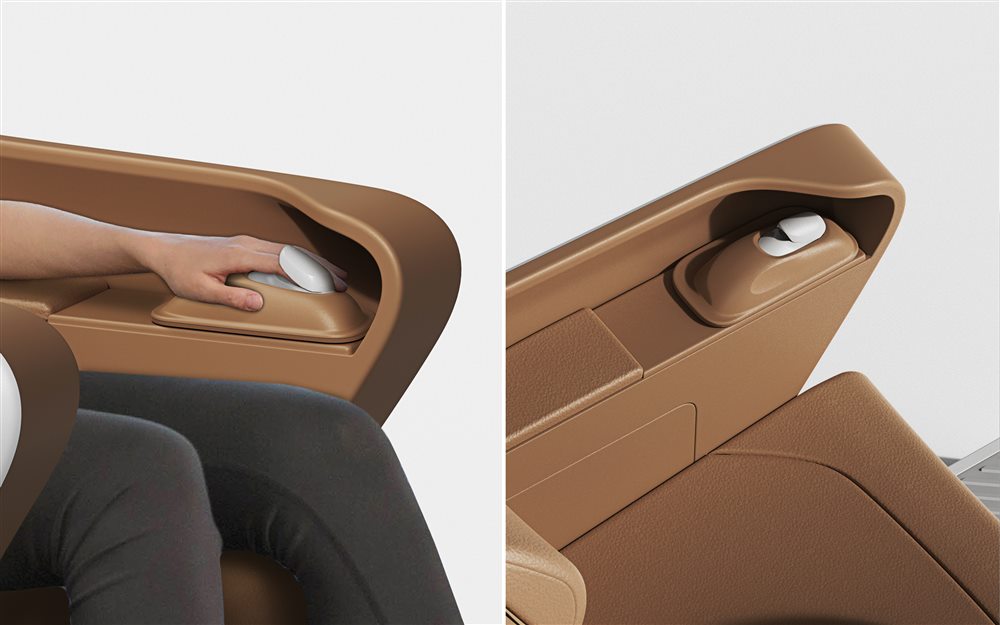
Typical Biofeedback can require attaching and measuring signals through multiple sensors placed on the body.
Mind Chair is built to measure physiological signals while seated, reducing the burden of complex sensor attachment and allowing training in a relatively comfortable setting.
Biofeedback is not a treatment that ends with a single session — it is a process of learning to regulate your body's tension and physiological responses on your own through repeated training.
Generally, changes are evaluated after a number of training sessions, and the number of sessions and methods are adjusted as needed. The number of sessions can vary depending on the severity of symptoms, treatment goals, and how you respond to training.
Yes. If needed, it can be part of a treatment plan that also includes medication, psychotherapy, TMS, and other treatments.
Biofeedback is also given on its own, and can be used as a non-drug treatment method that trains relaxation and self-regulation while complementing whatever treatment you are currently receiving.
Q. Is Biofeedback a form of medication?
No. It is a non-drug method that trains self-regulation ability by checking your own physiological signals in real time and using breathing and relaxation.
Q. Does tension go away right after treatment?
Biofeedback is not a treatment that eliminates symptoms in a single session — it is a process of learning to understand and regulate your own physical responses through repeated training.
Q. Can it help with anxiety or sleep problems?
Biofeedback can be used as a supportive treatment for anxiety, stress, tension, and sleep difficulties. Depending on the patient's symptoms and condition, it can be combined with other treatments such as medication or psychotherapy.
Q. I've never used VR before — will I be okay?
In most cases, a simple explanation beforehand is enough to get started. If you feel any discomfort wearing the VR headset or being in the virtual environment, please let the medical team know.
Q. Won't VR motion sickness be a problem?
It varies by individual, but Mind Chair combines the movement of the screen with the movement of the chair to reduce the gap between visual and physical sensations of movement, helping create a more comfortable VR experience. Still, those sensitive to VR may experience dizziness or discomfort, so please let the medical team know right away if you feel uncomfortable.
Q. Can I keep my glasses on?
Regular glasses can be worn. However, large or thick frames may feel pressure when used together with the VR headset, so if possible, it may be more comfortable to remove them.
We'll look at your symptoms and condition together and suggest a treatment plan that fits you.