 MoonGyeol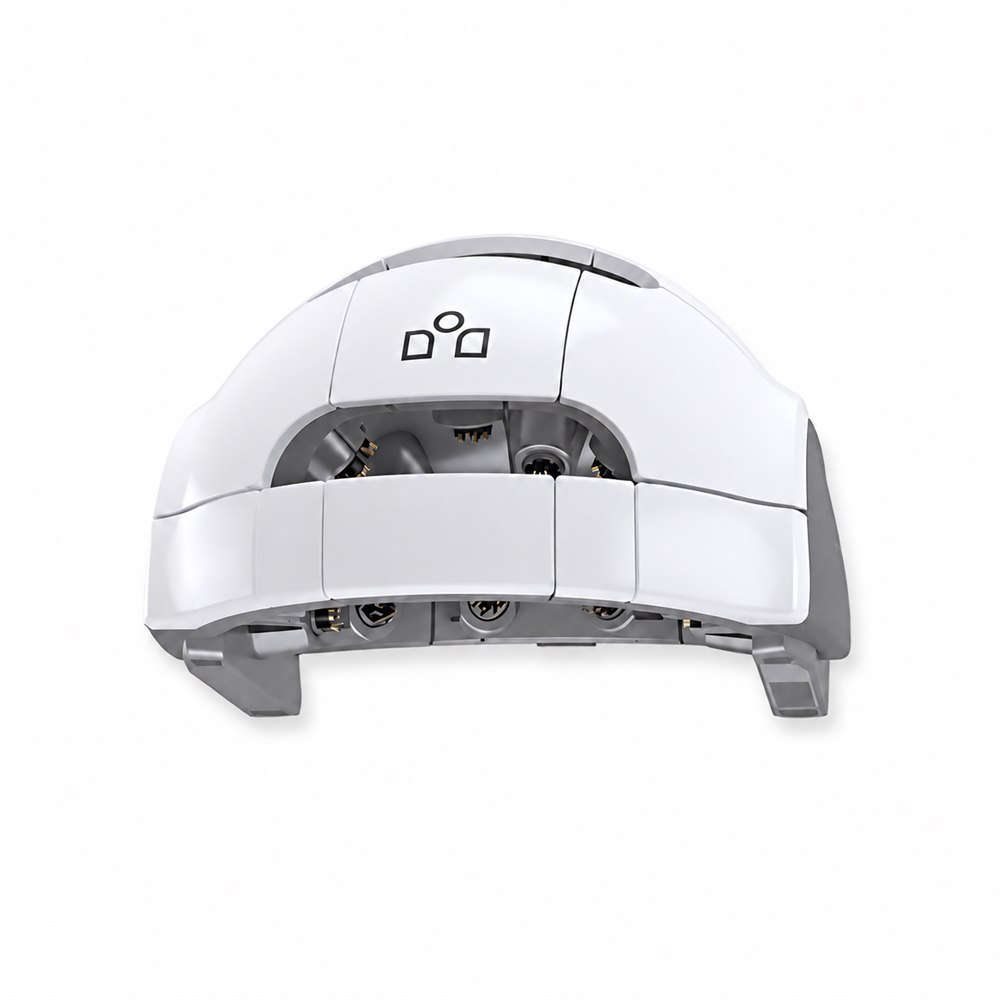
Difficulty with focus and attention
If you have trouble concentrating, are easily distracted, or find it hard to start or finish tasks, this can be used to evaluate your current state.
The brain constantly generates electrical activity.
QEEG (Quantitative EEG) measures and analyzes this electrical activity of the brain to look at current brain function more objectively.
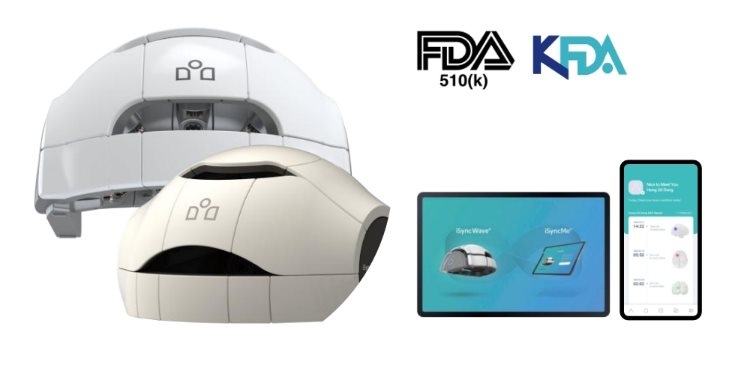
At MoonGyeol, we perform QEEG using iSyncWave, a dry EEG measurement system by iMediSync.
Unlike conventional methods that use conductive gel, this allows for a simple, gel-free test with much less need to wash or tidy your hair afterward.
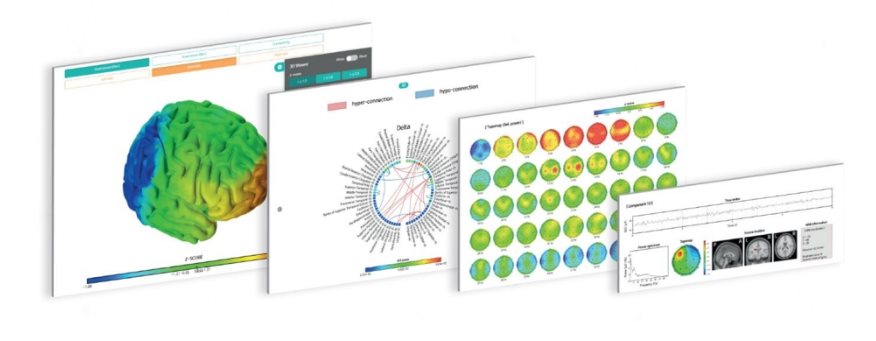
The measured EEG data can also be reviewed more intuitively through Brain Mapping and a visualized QEEG report.
QEEG is not a test that leads to a diagnosis on its own. We use it together with your symptoms, history, sleep and emotional state, and cognitive function to understand your current condition and set a direction for treatment.
If you have trouble concentrating, are easily distracted, or find it hard to start or finish tasks, this can be used to evaluate your current state.
If ongoing emotional change from depression, anxiety, or stress is present, this can help look at your current brain function and inform the direction of treatment.
If you have sleep problems such as insomnia or reduced sleep quality, this can be comprehensively evaluated together with your sleep status and other test results.
If you feel recent changes in memory, concentration, or cognitive function, this can be used together with cognitive testing to check your current status.
Where needed, comparing before-and-after results can help track your treatment progress.
The iSyncWave system used at MoonGyeol is a dry-electrode EEG measurement system. Unlike conventional wet EEG testing, there's no need for conductive gel, reducing the hassle of washing or wiping gel from your hair afterward. The simpler, more comfortable test also reduces the burden for children and adolescents, older adults, and anyone needing repeated assessments.
The test can be carried out relatively simply without complex preparation, measuring your EEG in a comfortable setting. This reduces the burden of the testing process so brain function can be examined in a more natural state.
QEEG is not a test where results are shown only as numbers. The measured EEG data is quantitatively analyzed and provided as a report that includes Brain Mapping and various visualizations. This makes complex EEG data easier to understand intuitively, and is used to review and explain your current brain function together with you.
QEEG analyzes the frequency characteristics and distribution of brain waves to examine current brain function.
Where needed, characteristics related to attention, arousal level, stress response, and sleep can be comprehensively evaluated together with other tests.
However, QEEG results alone do not confirm a diagnosis of ADHD, depression, anxiety disorder, or other conditions.
At MoonGyeol, we interpret the results clinically by considering them together with the clinical evaluation, cognitive and attention assessment, and sleep and emotional status.
Additional assessments may be carried out together depending on the purpose of testing and the patient's condition.
Q. Is an EEG test painful?
No. It is a non-invasive test that measures brain waves through electrodes worn on the scalp, and it is painless.
Q. Is gel used during the test?
The iSyncWave system used at MoonGyeol is a dry-electrode system and does not use conductive gel. This reduces the hassle of washing or wiping gel from your hair afterward.
Q. Does the test take a long time?
From preparation through EEG measurement and analysis, the process takes about 5 to 10 minutes, so the test can be completed simply in a short time.
Q. Can QEEG alone diagnose ADHD or depression?
QEEG alone does not diagnose a specific condition. The determination is made by comprehensively considering symptoms, history, clinical evaluation, and other necessary test results.
Q. How do I see the results?
The EEG analysis results can be viewed through Brain Mapping and a visualized report, and the medical team will explain your current condition together with you.
Q. Are the results also used in treatment?
Where needed, QEEG results can be referenced when building a treatment plan involving medication, Biofeedback, TMS, PBM, and other treatments, and can be used to check changes before and after treatment.
We'll look at your current symptoms and condition together and suggest the assessment you need.